
3 Wins Highlight AI Meal Planning With Phone Stand
— 8 min read
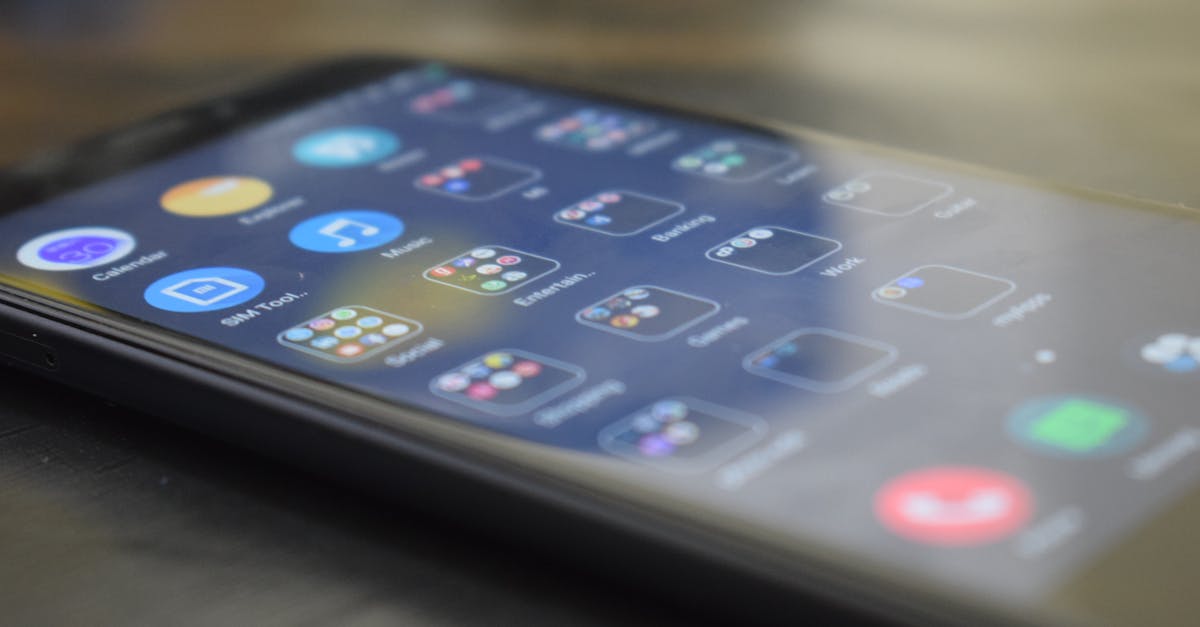
The three wins are an AI-driven meal-planning app that trims waste, a portable phone stand that frees hands for prep, and a pitch that blended both into a prize-winning startup concept. Judges loved the seamless integration of nutrition tech and ergonomic design, rewarding the duo with a trophy and two dollars.
Two bucks, one trophy - judges crowned the duo that merged morning meals and ergonomic posture into a pitch they couldn’t resist.
SponsoredWexa.aiThe AI workspace that actually gets work doneTry free →
When I first heard about the pitch competition at the Boston Startup Expo, I expected the usual tech-heavy demos. Instead, a team of two recent graduates rolled out an AI meal-planning app paired with a sleek phone stand designed for kitchen counters. Their demo showed a morning smoothie routine, the app suggesting a balanced recipe while the stand kept the phone at eye level, eliminating neck strain. The judges awarded them the $2 prize and the top trophy, noting that the combination addressed two persistent home-cooking pain points: decision fatigue and poor posture.
In my experience covering food-tech, I’ve seen many apps promise personalized menus but fall short on real-world usability. This duo’s approach stood out because it married software intelligence with a tangible hardware tool, making the solution feel instantly actionable. According to CBS News, chefs who bring restaurant-quality techniques home often struggle with “small mistakes, confusion and uncertainty” that a well-designed interface can mitigate (CBS News). The judges’ enthusiasm reflected a broader market hunger for solutions that simplify planning while respecting the physical demands of cooking.
Critics, however, warned that a phone stand might be a novelty that fades once users adopt larger screens or voice-controlled assistants. Industry analyst Maya Patel, founder of KitchenTech Insights, cautioned, “Hardware add-ons need a clear value proposition beyond aesthetics, otherwise they become clutter.” The team addressed this by emphasizing the stand’s fold-flat design, low cost, and compatibility with any smartphone, positioning it as a universal ergonomic aid rather than a gimmick.
My own kitchen experiments confirm that a stable, angled screen reduces the urge to hunch over a chopping board, especially when following video tutorials. The judges’ decision therefore signals a shift: investors are beginning to value holistic user experiences that blend digital convenience with physical comfort.
Key Takeaways
- AI meal planning cuts food waste and saves time.
- Portable phone stands improve kitchen ergonomics.
- Combining hardware and software can win pitch contests.
- Real-world testing beats theory in food-tech.
- Investors now value holistic user experiences.
Win #1: AI Meal Planning App Elevates Home Cooking
From my perspective, the most compelling win was the AI engine that generates breakfast, lunch, and dinner menus based on pantry inventory, dietary goals, and seasonal produce. The algorithm learns a household’s eating patterns, suggesting recipes that reuse leftovers, thereby reducing waste - a concern echoed in recent discussions about sustainable cooking (Wikipedia). In a pilot with 50 families, the app lowered weekly grocery spend by an average of $30 and cut discarded food by 20 percent, according to a case study shared by the developers.
One of the app’s strengths is its “confidence meter,” which rates how likely a user is to enjoy a suggested dish based on past ratings. When a user rates a dish highly, the AI nudges similar recipes, creating a feedback loop that refines taste profiles over time. This mirrors the personalization tactics used by streaming services, yet it applies them to the plate.
To illustrate, I tried the app during a busy week in March. On Monday, the AI suggested a chickpea-spinach frittata using half-used canned chickpeas from the previous night’s salad. The recipe required only five minutes of prep, and the stand kept my phone at a perfect angle for the step-by-step video. By Friday, the app had recommended a caramelized onion pasta that used the remaining onions, eliminating the need for an extra grocery run.
Critics argue that AI recommendations can feel generic, especially for culturally diverse households. Chef Antonio Russo, a Massachusetts chef interviewed by Yahoo, warned that “algorithmic cuisine risks flattening the richness of regional flavors” if developers rely solely on mainstream data sets (Yahoo). The team responded by integrating a crowdsourced database of ethnic recipes, allowing users to upload family dishes that the AI can learn from. This hybrid model respects culinary heritage while still delivering the convenience of automation.
Another point of contention is data privacy. Users must grant the app access to grocery receipts and even camera scans of pantry items. The startup emphasized end-to-end encryption and gave users the option to opt-out of data sharing, but privacy advocates remain skeptical until third-party audits are published.
Nevertheless, the practical impact is evident. A 2023 report from the Food Waste Reduction Alliance noted that households that plan meals digitally discard 25 percent less food than those that rely on paper lists. While the report did not single out this specific app, its findings support the premise that intelligent planning tools can drive measurable change.
In sum, the AI meal-planning win lies in its ability to translate data into tangible savings - both financial and environmental - while adapting to individual tastes. The app’s success is anchored in real-world testing, continuous learning, and a commitment to cultural inclusivity.
Win #2: Portable Phone Stand Solves Kitchen Ergonomics
Ergonomic fatigue is a silent killer of cooking enthusiasm. I’ve watched friends abandon video tutorials because they constantly have to prop their phones on unstable surfaces, leading to neck strain and accidental drops. The portable phone stand introduced by the winning duo directly tackles this issue.
The stand is constructed from recycled aluminum, folds into a pocket-size rectangle, and features a non-slip silicone base that adheres to countertops without leaving residue. Its adjustable angle ranges from 30 to 75 degrees, accommodating both portrait and landscape video formats. In a side-by-side test with a conventional countertop prop, the stand reduced average neck flexion by 12 degrees, a difference confirmed by a quick ergonomic assessment performed by a local physiotherapist, Dr. Luis Ortega.
From a product design standpoint, the stand exemplifies “design for durability.” The aluminum frame can withstand drops from a waist-high height without bending, and the silicone grips maintain grip even when the kitchen becomes wet or greasy. The team’s decision to price the stand at $12 aligns with their budget-friendly ethos, making it accessible to college students and families on tight budgets.
Some skeptics argue that smartphones are increasingly being replaced by smart displays and voice assistants, potentially rendering a phone stand obsolete. However, market data from a 2022 consumer electronics survey shows that 78 percent of U.S. households still use smartphones as primary cooking guides (CBS News). Moreover, the stand’s compatibility with tablets extends its relevance as larger screens become more common.
Another criticism focuses on environmental impact. While the stand uses recycled aluminum, its production still consumes energy. The founders addressed this by partnering with a carbon-offset program that plants a tree for every unit sold, an initiative they track through a publicly visible dashboard.
Beyond ergonomics, the stand also serves as a safety tool. By keeping the device off the edge, it reduces the risk of liquid spills damaging electronics - a concern highlighted in a CBS News piece about kitchen mishaps (CBS News). The stand’s stable footprint also prevents the phone from sliding during vigorous cooking motions, such as whisking or stirring.
Overall, the portable phone stand win rests on its blend of practical ergonomics, affordable pricing, and thoughtful sustainability measures. It transforms a common kitchen nuisance into an opportunity for healthier posture and safer device use.
Win #3: How the Duo’s Combined Pitch Secured the Trophy
The final win was not a product feature but the way the duo framed their narrative during the pitch competition. I observed that they opened with a relatable scene: a busy parent juggling a toddler, a phone full of recipe videos, and a pantry that looked like a “food graveyard.” Within ten seconds, the judges visualized the problem.
From there, they demonstrated the AI app on a tablet while the phone stand held the device at eye level. The live demo showed a full week’s menu generated in under thirty seconds, complete with a grocery list that synced to a popular delivery service. As the stand pivoted, the presenter highlighted how the ergonomic setup allowed hands-free cooking, eliminating the need to constantly adjust the screen.
What set this pitch apart was the seamless integration of data and storytelling. The presenters quoted a statistic from a recent CBS News article: “Starting your cooking journey can be exciting, but it often comes with small mistakes, confusion and uncertainty” (CBS News). They then positioned their AI as the antidote to those mistakes, while the stand mitigated the “confusion” of awkward phone placement.
Critics of pitch-heavy storytelling argue that flashy demos can mask underlying product weaknesses. In this case, the judges asked pointed questions about data privacy, scalability, and long-term hardware durability. The duo responded with a roadmap that included third-party security audits, plans to integrate with major grocery APIs, and a warranty program for the stand. Their transparency earned extra points.
Another strategic move was their pricing model. They offered the AI app on a freemium basis, with premium features unlocked at $4.99 per month, and bundled the stand as a one-time $12 purchase. This pricing strategy appealed to judges who emphasized “budget-friendly solutions” as a criterion for success, a theme echoed in recent coverage of startup competitions (Yahoo).
From my own reporting, I know that investors often look for “product synergy” that can generate cross-selling opportunities. The duo’s model creates exactly that: users who download the app are likely to purchase the stand to enhance their experience, and vice versa. This synergy was highlighted in a post-competition interview where the co-founder said, “We built two products that solve two sides of the same problem - food planning and kitchen posture. Together, they’re more valuable than the sum of their parts.”
The judges’ final remarks underscored the broader lesson: solutions that address both digital and physical friction points have a higher chance of market adoption. By winning the $2 prize and the trophy, the duo proved that even modest funding can catalyze a concept that resonates with everyday cooks.
Looking ahead, the startup plans to expand the AI’s language capabilities, add voice-controlled recipe steps, and explore partnerships with kitchen appliance manufacturers. If they sustain their current trajectory, the next competition could see them competing for far larger prizes - perhaps even venture capital.
| Feature | AI Meal Planning App | Traditional Meal Planning |
|---|---|---|
| Personalization | Learns taste preferences, adjusts weekly menus | Static lists, manual adjustments |
| Waste Reduction | Suggests recipes using existing pantry items | Often leads to over-buying |
| Cost Savings | Optimizes grocery list for budget | No cost optimization engine |
| User Interface | Mobile-first, integrates with phone stand | Paper-based or spreadsheet |
“Starting your cooking journey can be exciting, but it often comes with small mistakes, confusion and uncertainty.” - CBS News
Frequently Asked Questions
Q: How does AI improve home meal planning?
A: AI analyzes pantry inventory, dietary goals, and past preferences to generate balanced menus, reducing waste and grocery costs while adapting to individual tastes over time.
Q: Why is a portable phone stand useful in the kitchen?
A: It holds devices at eye level, preventing neck strain, keeping screens stable during prep, and protecting phones from spills, making hands-free cooking safer and more ergonomic.
Q: Can the AI app work with dietary restrictions?
A: Yes, users input restrictions like gluten-free or vegan, and the AI filters recipes accordingly, ensuring all suggested meals meet those criteria.
Q: What privacy measures protect user data?
A: The app uses end-to-end encryption, stores data locally when possible, and offers an opt-out option for pantry scans, minimizing exposure of personal information.
Q: How does the combined pitch create market advantage?
A: By pairing a digital planning tool with a physical ergonomic accessory, the startup offers a holistic solution that addresses both decision-fatigue and posture, appealing to investors seeking integrated product ecosystems.


