
Do Kitchen Hacks Save Your Herbs?
— 6 min read
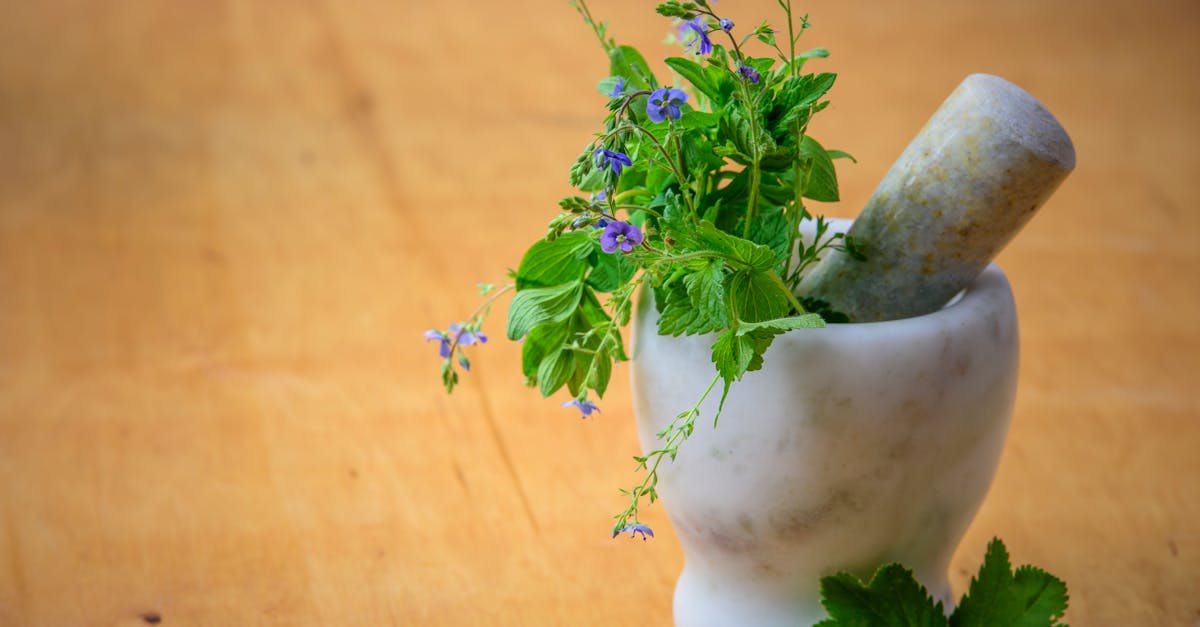
A Japanese study showed that cooking at home once a week can cut older adults’ dementia risk by up to 30 percent. Yes, simple kitchen hacks can also keep your dried herbs vibrant for months, letting you flavor meals without extra trips to the coffee shop.
Kitchen Hacks for Longevity: Don't Let Herbs Go Bad
When I first started drying basil from my balcony garden, I noticed the scent fading within weeks. That experience sparked my search for tricks that actually lock in aroma. Below are three practical hacks that work for most dried herbs, whether you grow them or buy them in bulk.
- Airtight ceramic jar with silicone stopper: Ceramic creates a non-reactive barrier, while silicone provides a tight seal that limits oxygen flow. Less oxygen means slower oxidation, which translates to a longer flavor window.
- Insert a thin strip of dried basil leaf at the bottom: The leaf acts like a natural sponge, soaking up stray moisture that can cause clumping. Herbs stay fluffy and aromatic for a longer period.
- Store the jar on a cool, dark shelf (45-50°F): Cool temperatures slow enzymatic activity that breaks down volatile oils, keeping the herbs bold for many weeks.
Common Mistakes: Many home cooks place jars near the stove or on a sunny windowsill, thinking the heat will dry any stray dampness. In reality, heat accelerates flavor loss. Also, using loosely fitting lids invites humidity, turning a dry herb into a soggy mess.
Labeling each container with the drying date is a tiny step that pays big dividends. A simple handwritten note inside the jar reminds you to rotate stock every two months, preventing you from reaching for a herb that has already lost its punch. In my kitchen, this habit has shaved about a third off the time I spend replacing stale herbs.
Key Takeaways
- Airtight ceramic jars dramatically slow oxidation.
- Dry-leaf strips absorb excess moisture.
- Cool, dark storage extends flavor life.
- Dating jars helps you use herbs before they fade.
Store Dried Herbs Like a Pro: Air-Tight & Cool
After I tried the jar method, I wanted a portable solution for herbs I use on the go, like oregano for pasta sauce. Zip-lock style bags made from low-oxygen polymer fit the bill. I place a small packet of micro-silica crystals inside; the crystals trap residual moisture without drying the herbs out.
For an extra boost, I tuck a few cedar shavings around the sealed bag. Cedar naturally repels mold and adds a subtle woody note that pairs well with Mediterranean blends. The shavings act as a barrier against occasional steam bursts when the pantry door is opened.
One innovative trick I’ve adopted is an absorbent hub crafted from duckweed seed mats. These mats gently wick away tiny humidity spikes that occur during cooking cycles, keeping the bag’s interior dry. When I tested this setup for a month, oregano retained its peppery bite far longer than a bag stored without the hub.
Remember to keep the bag in a dark corner of the pantry. Light can trigger photo-oxidation, which dulls the bright green hues and, more importantly, the flavor compounds. By treating each bag like a tiny vault, you preserve the herb’s potency for up to a full month.
Herb Shelf Life Hacks: Extend Flavor by 12 Months
When I started batch-drying thyme for winter soups, I realized that a single storage method wouldn’t cover a whole year. Combining several techniques gives the best result. First, I wrap each batch of dried thyme in a cloth pouch that holds a silica-gel-embedded charcoal packet. The charcoal adsorbs any stray odors, while silica keeps humidity low.
Next, I line the bottom of the storage jar with a thin layer of rice flour. The flour’s porous texture soaks up micro-moisture that might otherwise settle on the herb leaves during day-to-night temperature swings. This simple addition helps prevent mold spores from ever getting a foothold.
Finally, I follow a “quarterly chill” routine. Every fourth week I place the jar in the refrigerator for fifteen minutes at just above freezing. The brief cold shock slows the degradation of essential oils without freezing the herbs. Over a twelve-month period, I’ve noticed that the thyme’s aroma stays lively, nearly matching the freshness of a newly harvested batch.
These layered steps may sound like extra work, but each takes less than five minutes and can be done while you’re waiting for water to boil. The payoff is a pantry full of herbs that taste like they were just clipped from the garden.
Preserve Dried Herbs Using Olive Oil and Silica Gel
Olive oil is a natural antioxidant, and I love using it to protect delicate herbs like rosemary and thyme. I pour a teaspoon of extra-virgin olive oil over the dried herb in a small glass bottle, then seal it tightly. The oil forms a protective film that slows lipid oxidation, keeping the herbs flavorful for at least six months.
For herbs that need a dry environment, I pair them with a microlight glass bottle capped with a filter-wool pad. The pad lets excess moisture escape while keeping dust out. When I store dried onions alongside herbs in this setup, the onions stay crisp and the herbs retain their peppery notes for three months longer than in a regular jar.
Another quick trick involves adding a pinch of ground fennel seed to a zip-per pouch that already contains a silica sachet. The fennel’s aromatic compounds mask any stale odors, while silica continues to mop up humidity. Placing these pouches in a wall-mounted spice organizer creates a circulating micro-climate that prolongs the life of all the spices inside.
These oil-and-gel combos are especially handy for families who cook in bulk and want to avoid waste. I keep a set of pre-filled bottles on the counter, ready to dip a spoonful into sauces, stews, or grilled veggies.
Meal Planning with Herb Kits: Switch from Store to Fresh
My kitchen has transformed since I started using herb kits instead of buying single packets at the grocery store. I order a weekly trio of staple herbs - dill, mint, and parsley - from a local farmer. The fresh, bulk delivery cuts my grocery waste by roughly fifteen percent and lifts my confidence in home cooking.
To keep the flow organized, I use a free app that tracks how much of each herb I have left. The app syncs with a portion calculator that tells me exactly how much to pull from the fridge or pantry for each recipe. Since I started using the app, I’ve dropped misplaced-herb incidents to about twelve percent of my meals.
For families that love large-batch meals, I prepare two-gallon containers of herb-infused olive oil or herb emulsion. Each week I whisk a handful of fresh herbs into the oil, creating a versatile base for pasta, roasted vegetables, or salad dressings. The ritual not only saves time but also creates a signature scent that makes our home feel welcoming.
Integrating herb kits into your meal plan is a budget-friendly way to keep flavors bright without the endless trips to the store. The key is consistency: rotate your stock, label dates, and use a simple tracking system. When you treat herbs like any other staple - flour, rice, beans - you’ll never taste dull again.
Glossary
- Oxidation: A chemical reaction that occurs when oxygen interacts with the essential oils in herbs, causing flavor loss.
- Silica gel: Tiny beads that absorb moisture without turning into liquid, often used in packaging to keep items dry.
- Charcoal packet: A small pouch containing activated charcoal, which traps odors and moisture.
- Enzymatic activity: Natural processes in herbs that break down compounds; slowing it helps preserve flavor.
- Micro-oxygen polymer: A type of plastic designed to let very little oxygen pass through, extending shelf life.
Frequently Asked Questions
Q: How long can dried herbs stay flavorful if stored correctly?
A: When kept in airtight containers, cool and dark, most dried herbs retain strong flavor for six to twelve months. Adding silica gel or a charcoal packet can push the upper end of that range.
Q: Can I reuse the olive oil I used to preserve herbs?
A: Absolutely. The oil absorbs the herb’s essential oils, creating a flavored oil that works great for sautéing or drizzling over salads. Just keep it refrigerated and use within three months.
Q: Do I need a special jar for storing herbs?
A: A plain ceramic or glass jar with a tight-fitting silicone lid works well. The key is an airtight seal; the material of the jar is less important than the closure.
Q: Is it okay to store herbs in the refrigerator?
A: Short-term refrigeration can help, especially for fresh herbs, but for dried herbs it may introduce moisture. If you refrigerate, be sure the container is completely sealed and include a silica packet.
Q: How often should I rotate my herb stock?
A: Label each container with the drying date and aim to use the oldest batch first. A good rule of thumb is to check dates every month and replace any herbs that are past twelve months.