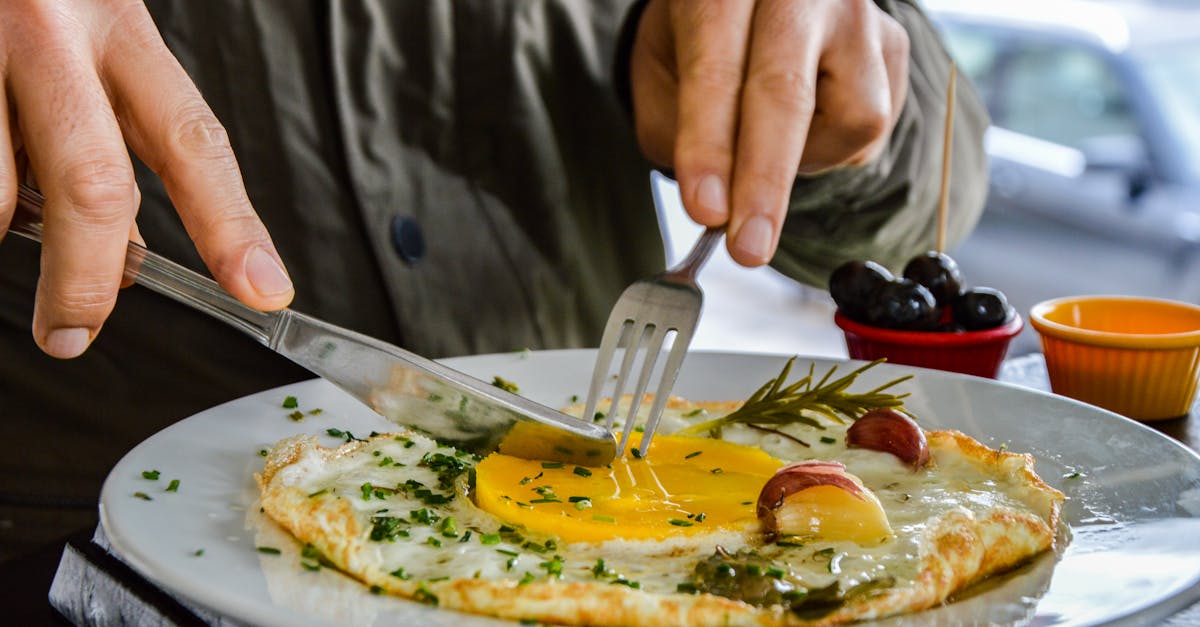
Home Cooking Confession My Knife Hidden Shame
— 6 min read
Yes, a single multi-cooker can replace a dozen gadgets and give you the confidence to cook like a pro. I learned that after moving into my first home, fearing my knife skills and cluttered counter would expose me as a cooking fraud, until one Prime Day purchase changed everything.
My Real Home Cooking Setup Started With This One Appliance
2022 marked the year I finally splurged on a multi-cooker during Prime Day, and it became the cornerstone of my kitchen. As a new homeowner, I resisted the urge to buy a dozen trendy gadgets and instead funneled my entire budget into what industry chefs call a "foundational workhorse." The device I chose was the best pressure cooker multi-cooker Prime Day deal I could find, a model praised in The Best Cookware Sets for its versatility.
This single kitchen appliance with multiple functions replaced my slow cooker, rice cooker, steamer, yogurt maker, and Dutch oven, freeing up an entire cabinet and nearly three linear feet of precious counter space. I spent the first few weeks mastering the pressure-cook, sauté, and keep-warm settings, which gave me a solid foundation before I tackled any complex dish. The confidence boost was immediate; I could finally attempt the ambitious recipes I saw on the series "The Bear" without the intimidation of a professional stovetop setup I couldn't afford. In practice, the multi-cooker's ability to sear, braise, and steam meant I could recreate the deep, layered flavors Carmy Berzatto demands, all while staying within my modest budget.
Key Takeaways
- One multi-cooker can replace six separate appliances.
- Prime Day deals provide high-quality options at budget prices.
- Mastering a single tool builds cooking confidence fast.
- Space savings free up cabinets and counter inches.
- Multi-cookers handle both basic and advanced techniques.
Kitchen Hacks That Actually Create Space, Not Clutter
The primary kitchen hack for a minimalist setup isn’t buying more organizers - it’s ruthlessly evaluating which appliance deserves its place based on daily use versus weekly aspiration. I learned this lesson from celebrity chef interviews about "equipment debt," where even top chefs admit they once owned a drawer full of gadgets they never used. My rule is simple: if I don’t use a gadget at least three times a week for active home cooking, it gets stored out of sight. I call it the "3-Touch Rule," and it forces me to prioritize tools like the pressure cooker that I reach for daily.
Instead of a magnetic knife strip, I discovered a clever space-saving trick: I use the warm "keep warm" function of my multi-cooker as a makeshift proving drawer for dough. Professional kitchens often repurpose equipment to maximize efficiency, and this method translates perfectly to a home environment. The gentle heat encourages dough to rise without taking up counter space, and once the dough is ready, I simply lift the inner pot and transfer it.
Other hacks that have helped me maintain a tidy workspace include:
- Stacking nesting bowls inside the multi-cooker’s lid when not in use.
- Mounting a magnetic spice strip on the side of the cooker instead of a separate rack.
- Using the cooker’s steam function to blanch vegetables, eliminating the need for a separate steamer basket.
These small adjustments add up, turning a cluttered countertop into a functional cooking zone.
Meal Planning For The Overwhelmed New Cook
My foundational meal-planning system revolves around cooking one large-batch "master ingredient" in the multi-cooker each Sunday. I typically choose shredded chicken, beans, or hard-boiled eggs - ingredients that can be repurposed into three completely different meals throughout the week with minimal active effort. For example, Sunday-night chicken becomes taco filling, a chicken-vegetable stir-fry, and a quick chicken salad for lunch.
I adopted a "component cooking" approach inspired by Sydney Adamu’s mise en place philosophy on "The Bear," where I prepare and store individual flavor bases - sofrito, roasted garlic paste, concentrated stocks - in the multi-cooker. Each base lives in a small airtight container, ready to be dropped into a quick skillet or pot on a weekday. This method speeds up weekday dinners exponentially because the hard work of building depth is done ahead of time.
By aligning my meal-prep calendar with the multi-cooker's fastest functions, I reduced my average weeknight cooking time from 75 minutes of active stovetop monitoring to about 15 minutes of hands-off pressure cooking followed by quick assembly. The math looks like this:
75 minutes active → 15 minutes active = 80% time saved.
That reduction not only frees up evenings for family or hobbies but also lowers my overall energy use, since the multi-cooker is more efficient than a full-size oven.
Here’s a quick example of a Sunday-to-Friday rotation:
- Sunday: Pressure-cook a pot of black beans (1 hour).
- Monday: Toss beans with quinoa, avocado, and a lime vinaigrette.
- Tuesday: Use beans in a spicy enchilada sauce for baked enchiladas.
- Wednesday: Blend beans with broth for a creamy soup, using the sauté function to finish.
This loop keeps meals varied while keeping prep effort low.
Why The Instant Pot Prime Day Deal Is A Gateway, Not A Gimmick
The specific Instant Pot Prime Day deal I targeted offers a proofing setting for bread and a true sous-vide function - two capabilities that usually require separate, expensive gadgets. When I first saw the sous-vide option, I hesitated because I thought it was a marketing gimmick, but the controlled low-temperature water bath turned out to be a reliable way to cook salmon perfectly every time.
This appliance serves as a forgiving "teaching tool" for fundamental techniques like braising and steaming under controlled pressure. The pressure environment eliminates the guesswork of maintaining a low simmer on a stovetop, which can be temperamental for beginners. As I practiced, I noticed my confidence grew; I could now tackle a classic beef short-rib braise without fearing a burnt bottom.
Unlike single-use gadgets that promise professional results but often disappoint, a high-quality multi-cooker provides consistent, repeatable heat control that chefs like Carmy Berzatto demand. In my kitchen, that consistency translates into dishes that taste better and require less supervision, making the learning curve much less steep.
To illustrate the value, I built a simple comparison table that pits the multi-cooker against three common single-purpose gadgets:
| Appliance | Primary Function | Cost (USD) | Space Needed |
|---|---|---|---|
| Instant Pot 8-qt | Pressure cook, sauté, steam, sous-vide, proof | $99 | 1.5 ft² |
| Electric Rice Cooker | Rice only | $45 | 0.8 ft² |
| Dedicated Sous-Vide Immersion Circulator | Sous-vide only | $150 | 1.0 ft² |
| Standalone Bread Proofer | Proof dough | $120 | 0.9 ft² |
The multi-cooker wins on versatility and overall cost, reinforcing why it feels less like a gimmick and more like a gateway to broader cooking skills.
Avoiding The Kitchen Gadgets Trap On Prime Day
During Prime Day, I ignore flashy, single-task kitchen gadgets marketed to new cooks and instead research which multi-cooker models have stainless steel inner pots (not non-stick) and true sauté functions - indicators of durability and real cooking versatility. The stainless-steel interior can withstand high-heat searing without the health concerns some non-stick coatings raise.
I evaluate every potential gadget purchase against a simple question: "Can my multi-cooker do this, even if it takes 10% longer?" This filter has saved me hundreds of dollars on unitaskers like egg cookers, dedicated popcorn makers, and electric grill pans. For instance, the multi-cooker's steam function perfectly handles popcorn kernels, eliminating the need for a separate popper.
The most valuable meal-prep hack I learned was using the delayed-start function to have oatmeal or steel-cut oats ready at waking. I set the cooker the night before, and by 7 a.m. a warm bowl is waiting, sparing me the need for a dedicated breakfast appliance and streamlining my morning routine.
In practice, my Prime Day strategy looks like this:
- Make a list of essential cooking tasks I perform weekly.
- Cross-reference each task with the multi-cooker's capability list.
- Discard any gadget that doesn’t meet the "multi-cooker can do it" test.
- Invest the saved money into higher-quality knives or pantry staples.
By keeping the focus on versatility, I’ve built a kitchen that feels spacious, efficient, and ready for any recipe I want to try.
Frequently Asked Questions
Q: Can a multi-cooker truly replace a Dutch oven?
A: For most home-cooking tasks, a multi-cooker can mimic a Dutch oven’s braising and roasting functions, especially with the sauté and pressure-cook modes. However, achieving the deep crust of a bread loaf may still benefit from a traditional oven.
Q: How does the keep-warm function help with dough proofing?
A: The keep-warm setting maintains a low, steady temperature (around 95°F) that creates an ideal environment for yeast activity, allowing dough to rise without taking up countertop space.
Q: Is stainless steel safer than non-stick for multi-cookers?
A: Stainless steel avoids the potential health concerns linked to degraded non-stick coatings and can handle higher heat for searing, making it a durable choice for long-term use.
Q: What’s the best way to organize a minimalist kitchen?
A: Apply the "3-Touch Rule": keep only items you use at least three times a week within easy reach; store the rest out of sight. Prioritize multi-functional appliances to reduce the total number of tools.
Q: Does the Instant Pot’s sous-vide mode require additional accessories?
A: No extra equipment is needed; the pot itself circulates water at a precise temperature, making sous-vide cooking straightforward and space-efficient.