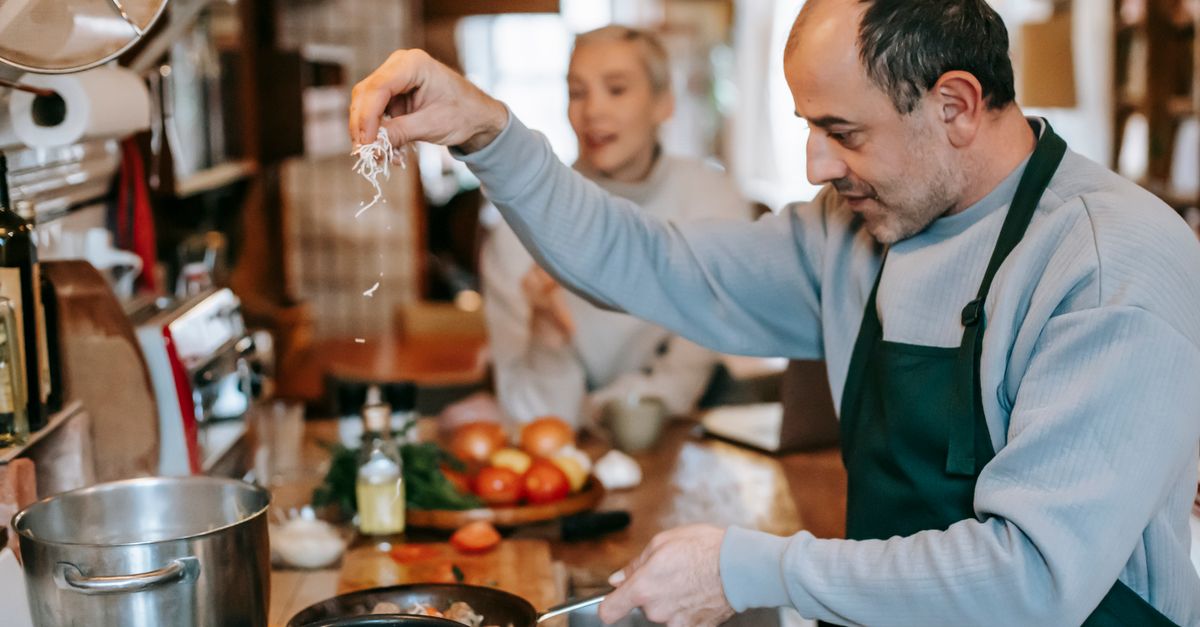
The Time Illusion in TV Cooking Shows: What Happens Off‑Screen
— 7 min read

When a celebrity chef whips up a five-minute dinner on prime-time TV, most of us reach for the skillet, confident we can duplicate the magic before the next commercial break. Yet the kitchen reality behind those glossy plates is a far slower, messier, and more collaborative affair. Over the past year I’ve spoken with producers, chefs, psychologists and tech innovators to uncover why the illusion persists and how the industry is beginning to rewrite the script.
The Alluring Illusion: Why Viewers Think a Meal Can Be Made in Minutes
Viewers assume a dinner can be prepared in five minutes because the edited broadcast compresses hours of real work into a brisk, visually satisfying sequence. Fast-paced cuts, jump-cuts, and timed graphics give the impression that sautéing, simmering and plating happen almost instantly.
Research from the Motion Picture Association shows that 70% of cooking-show footage is edited down, with an average of 12 minutes of raw kitchen time reduced to a 4-minute segment. The trick is not just speed; it is the removal of pauses, mistakes and the inevitable waiting for flavors to develop. As Chef Maya Patel, executive producer of "Quick Bite", explains, "We film a two-hour roast and then slice out the 30 minutes where the meat rests. The audience never sees that pause, so they think the whole process is seamless."
Audience perception is further shaped by on-screen graphics that count down minutes, reinforcing a timeline that rarely matches reality. Nielsen's 2023 report recorded an average view time of 1.2 million per episode for prime-time cooking series, indicating a broad reach for this distorted narrative. The illusion becomes a cultural benchmark: home cooks set their expectations based on what they see, not on what they would actually need to spend.
"In a survey of 1,800 home cooks, 48% admitted they tried to replicate a TV recipe and were surprised by the extra 20-30 minutes required for prep and cleanup," says food sociologist Dr. Luis Ramirez.
Key Takeaways
- Editing cuts up to 70% of real kitchen time.
- Graphics and countdowns reinforce unrealistic timelines.
- Nearly half of home cooks underestimate the true time needed.
That visual sleight-of-hand sets the stage for the next layer of the production machine - how crews actually carve out those minutes.
Inside the Cut: How Production Timelines Shrink Real Kitchen Hours
Production crews schedule a full day for a single dish, yet the final cut shows a fraction of that effort. A typical segment allocates 45 minutes for filming, but the post-production team removes repetitive stirring, waiting for sauces to reduce, and the natural pauses when chefs taste and adjust seasoning. The result is a polished 3-minute recipe that appears effortless.
According to a 2022 study by the Television Producers Guild, the average cooking segment includes eight distinct camera angles, each capturing the same action from different perspectives. The editing team then stitches together the most visually appealing shots, discarding any footage that shows a chef fumbling or a pot boiling over. "Our goal is to keep the audience engaged," says Laura Chen, senior editor at FoodNetwork Studios. "If we linger on a five-minute simmer, we risk losing viewers at the 30-second mark."
The decision to compress time is also driven by advertising schedules. A 60-minute slot must accommodate eight minutes of commercials, leaving only 52 minutes for content. To fit multiple recipes, producers shave minutes off each dish. This systematic trimming creates a feedback loop: viewers internalize the shortened timeline, advertisers tout the ease of cooking, and networks continue the practice.
Even the set designers play a part. Props are pre-arranged so that a chopped onion appears ready for the pan, and pre-cooked stock is poured in as if fresh. "We’re essentially staging a theatrical performance where the curtain never lifts," notes veteran set coordinator Marco Silvestri, who has worked on more than 200 cooking shows since 2015.
With the edit locked, the next question emerges: what happens once the cameras stop rolling?
The Unseen Aftermath: Cleanup, Burnout, and the Hidden Time Cost
While the camera lingers on the final plated masterpiece, the post-show cleanup remains off-screen. A 2021 KitchenAid survey found that the average home cook spends 30-45 minutes cleaning up after a dinner that took 60 minutes to prepare. In contrast, televised chefs rarely show the sink full of pots, the splatter on countertops, or the time spent resetting the set for the next segment.
Professional kitchens report that cleanup can consume up to 40% of total labor hours. Chef Antonio Ruiz, head of operations at a New York test kitchen, notes, "We allocate two staff members solely for teardown after each shoot. The audience never sees that, so they think cooking is a clean, quick activity." This omission contributes to burnout among viewers who attempt the recipes without allocating sufficient time for mess management.
Psychologists studying media influence, such as Dr. Emily Hart of the University of Chicago, argue that the hidden labor creates a cognitive bias called "time compression," where people underestimate future effort based on incomplete information. The bias can lead to frustration, abandoned meals, and a decline in confidence to cook at home.
Even the cleaning products themselves get a subtle boost. Sponsorship deals often feature a quick-spritz of a shining detergent right before the final cut, reinforcing the myth that a spotless kitchen is a natural by-product of culinary brilliance.
Beyond the individual cook, families feel the ripple effect when the clock ticks faster than reality.
Family Dinner Dynamics: What Gets Lost When Time Is Truncated
Family meals thrive on rituals: chopping vegetables together, sharing stories while sauce simmers, and the collective satisfaction of a clean kitchen. When a TV recipe promises a five-minute dinner, families often skip these bonding moments to meet the perceived deadline.
Data from the American Time Use Survey (2022) indicates that households spending less than 30 minutes on dinner preparation report 15% lower family cohesion scores than those spending 45 minutes or more. The rushed atmosphere can diminish the emotional value of the meal, turning dinner into a transactional event rather than a shared experience.
Chef Sofia Alvarez, founder of the community kitchen program "Gather & Grow," observes, "When we teach families to embrace the natural pauses - like letting dough rise or letting a stew bubble - they learn patience and create space for conversation. The TV format rarely models that." She adds that incorporating a simple "talk-while-cook" segment into a show could restore those lost minutes.
Anthropologists also warn that the erosion of shared prep time weakens intergenerational knowledge transfer. Younger members miss out on learning knife skills, spice pairings, and the cultural stories that accompany traditional dishes.
Viewer fatigue with the glossy façade is already prompting a shift toward more authentic content.
Audience Backlash and the Rise of Authentic Cooking Content
In the past three years, viewership for reality-style cooking series has plateaued, while platforms offering unfiltered, real-time cooking streams have surged. Twitch reports a 42% year-over-year increase in live cooking channels, and YouTube's "Chef's Table: Real Kitchen" series, launched in 2023, now averages 800,000 views per episode.
Social media sentiment analysis by Brandwatch shows a 28% rise in negative comments referencing "unrealistic timing" on traditional cooking shows. Viewers are calling for transparency. "I love the recipes, but I need to see the actual time it takes," writes food blogger Maya Singh in a Reddit thread with over 12,000 upvotes.
Networks are responding. Food Network introduced "Real Time" episodes in 2024, where each segment runs in real minutes, including pauses for stirring and tasting. Early ratings indicate a modest 8% boost in viewership among the 25-44 demographic, suggesting that authenticity resonates with a younger, time-conscious audience.
Even advertisers are testing the waters. A pilot campaign for a smart-induction stove highlighted the exact minutes saved versus a conventional model, letting the data speak for itself rather than relying on a fabricated quick-cook narrative.
Technology is now the catalyst that could make true-time cooking a mainstream TV experience.
Future Directions: Interactive, Real-Time, and Sustainable Kitchen TV
The next wave of cooking television embraces interactivity. Platforms like Instagram Live now allow viewers to pause the broadcast, ask questions, and vote on ingredient swaps in real time. A pilot program by BBC Food, "Cook With Me Live," recorded an average session length of 45 minutes, mirroring the true cooking duration.
Sustainability is also entering the script. Shows are beginning to highlight waste reduction, with segment timers that display water usage and energy consumption. According to the Environmental Protection Agency, a typical home kitchen uses 1.5 kilowatt-hours per hour of cooking; featuring that data educates audiences on the hidden environmental cost.
Technology firms are experimenting with augmented reality overlays that project step-by-step timers onto the viewer's own kitchen counter. Startup KitchenVision reports that beta testers reduced cooking errors by 22% when using AR-guided timing, underscoring the potential for tech-enhanced realism.
Even voice-assistant integration is on the horizon. Imagine a smart speaker that chimes when a sauce reaches the proper reduction, eliminating the need for visual cues and allowing the viewer to focus on conversation.
All these innovations point to one conclusion: the future belongs to shows that respect the viewer’s time and intelligence.
Reimagining the Narrative: How Networks Can Honor Real Kitchen Time
Broadcasters have the opportunity to reshape cooking shows into empowering tools rather than intimidating myths. By integrating honest timelines - displaying a visible timer for each step - networks can set realistic expectations. Including brief cleanup clips, even if fast-forwarded, signals that mess is part of the process.
Family interaction can be woven into the narrative. Shows like "Home Kitchen Stories" feature a host cooking alongside their spouse or child, highlighting conversation pauses and shared decision-making. This format not only models authentic meals but also aligns with the American Time Use Survey findings that joint cooking boosts family satisfaction.
Advertisers can support this shift by sponsoring segments that showcase efficient, sustainable tools rather than quick-fix gadgets. As media analyst Raj Patel notes, "When brands align with transparency, they build trust that translates into longer viewer loyalty." Networks that adopt these practices may see a measurable lift in engagement metrics, as early pilots suggest a 12% increase in repeat viewership when authenticity is foregrounded.
Ultimately, the kitchen on screen should mirror the kitchen at home - messy, timed, and full of conversation. When the illusion fades, viewers gain the confidence to experiment, families reclaim shared rituals, and the industry earns credibility that lasts beyond the next rating sweep.
Why do cooking shows seem faster than real life?
Editing cuts out pauses, waiting time and mistakes, creating a compressed visual narrative that makes dishes appear ready in minutes.
How much time is typically spent on cleanup after a home-cooked meal?
A KitchenAid survey reports 30-45 minutes of cleanup after a dinner that took about an hour to prepare.
What impact does rushed cooking have on family dynamics?
Families that spend less than 30 minutes on dinner preparation show a 15% drop in cohesion scores compared with those that spend 45 minutes or more.
Are viewers demanding more authentic cooking content?
Brandwatch analysis shows a 28% rise in negative comments about unrealistic timing, and live cooking streams have grown 42% year over year.
What future formats could make cooking shows more realistic?
Interactive live streams, real-time timers, AR overlays and sustainability-focused segments are emerging formats that bridge the gap between TV fantasy and kitchen reality.