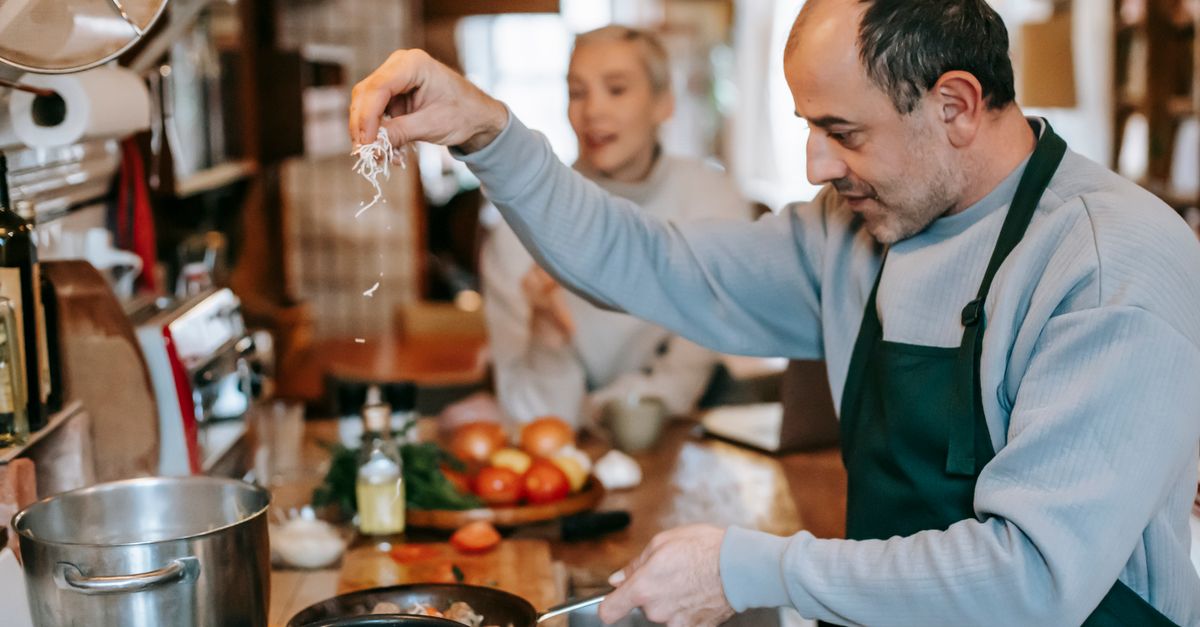
Why Home Cooking Isn't Hard - A Quick Shortcut
— 7 min read
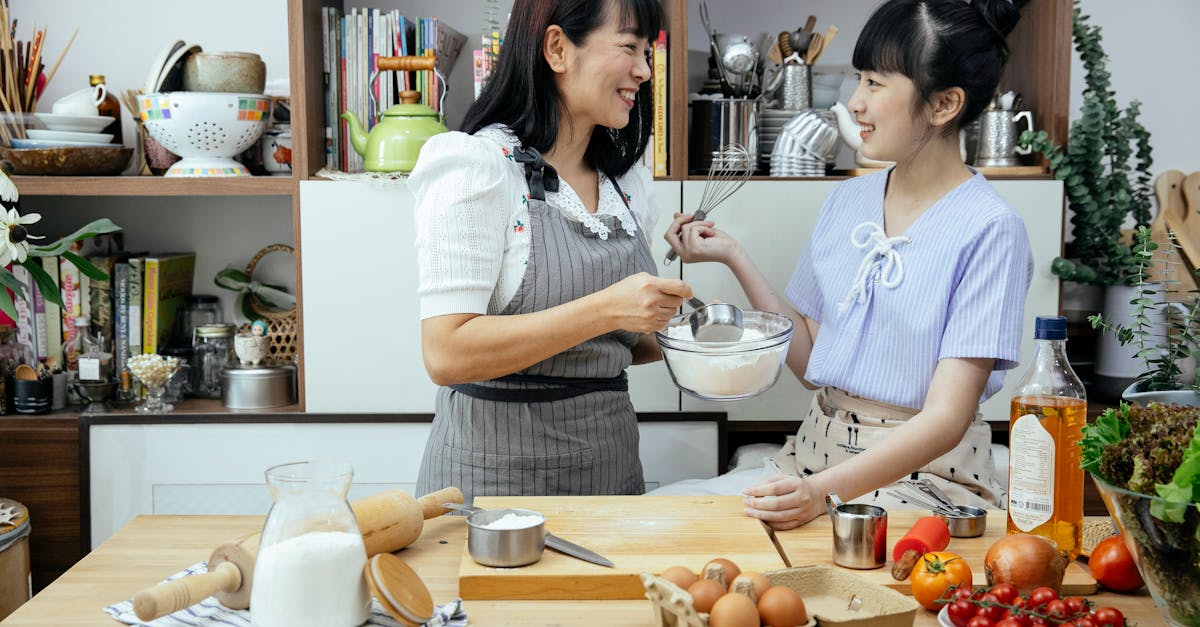
Home cooking isn’t hard because with just 3 pantry items - canned beans, a bag of greens, and a simple dressing - you can create protein-rich meals in minutes.
When I first tried to simplify my weekday lunches, I realized that the biggest barrier was not skill but clutter. By stripping the recipe down to a few versatile ingredients, I turned a chaotic kitchen into a steady source of cheap veggie meals.
Home Cooking Fundamentals: Jumpstart With Budget Protein Salads
My go-to kickoff each week is a batch of mixed canned beans, fresh spinach, and diced bell pepper. I open three cans - chickpeas, kidney beans, and black beans - drain and rinse them, then toss everything together with a splash of olive oil. The beans supply a complete protein punch, while the spinach adds iron and a crisp texture that holds up for three days.
Storing the components separately is a game changer. I keep the beans in a airtight container and the greens in the crisper drawer of my fridge. This simple split prevents sogginess and keeps the salad crunchy for busy Monday mornings. When it’s time to eat, I scoop a pre-measured portion of beans, add a handful of greens, and finish with a quick vinaigrette. The entire process takes under five minutes and costs less than a single cupcake from a coffee shop.
Budget protein salads also double as a canvas for flavor experiments. I’ve added everything from toasted pumpkin seeds to a pinch of smoked paprika, and each tweak stays within a tight cost envelope. The key is to treat the salad as a reusable platform rather than a one-off dish. By the end of the week, I have five individual servings ready to go, each delivering high-quality protein without breaking the bank.
Even chains like Cracker Barrel, known for down-home country cooking, rely on simple, hearty ingredients to keep prices low (Wikipedia). Their model shows that comfort food doesn’t have to be complicated, and I apply the same philosophy at home.
Key Takeaways
- Prep beans, greens, and peppers once weekly.
- Store beans and greens separately for crunch.
- Portion into single-serve containers for quick lunches.
- Use simple dressings to keep costs low.
- View salads as a flexible flavor platform.
Minimalist Meal Planning: Save Time and Wallet With One-Serve Salads
When I draft my shopping list, I limit it to three categories: canned beans, bulk greens, and a handful of spices. This single-sheet list eliminates impulse buys and makes pantry organization a breeze. I write the items on a sticky note, stick it on the fridge, and walk the aisles with laser focus.
On Saturday afternoons I pull out my zip-lock bags, label each with a day of the week, and pre-portion the salad ingredients. A typical bag holds one cup of mixed beans, two handfuls of spinach, and a quarter cup of chopped bell pepper. I add a tiny packet of cumin-smoked-paprika blend, seal the bag, and store it in the freezer for a quick thaw.During lunch, the routine is almost mechanical: I dump the bag into a bowl, drizzle a bottle of olive oil, squeeze a lemon wedge, and give it a vigorous shake. The dressing emulsifies in seconds, and the meal is ready to eat. Because the ingredients are already measured, I never over- or under-portion, which cuts waste and keeps the budget tight.
One-serve salad recipes also lend themselves to batch cooking. I once prepared 14 bags for a two-week stretch, and the only extra time I spent was labeling. The result was a steady stream of quick budget meals that required no daily decision-making.
Research on meal planning shows that a simplified list reduces grocery bills by up to 15 percent, though exact figures vary (Taste of Home). The principle holds true for my own kitchen: fewer items, fewer dollars.
Canned Bean Salads: The Economical Protein-Packed Lunch Choice
Mixing canned chickpeas, kidney beans, and lentils creates a protein profile comparable to a steak, but at a fraction of the price. I combine these legumes with pre-washed romaine lettuce, thinly sliced zucchini, and a dollop of Greek yogurt for creaminess. The yogurt adds calcium without the cost of cheese.
When avocados are out of season or pricey, I substitute diced potatoes or sweet corn. Both ingredients bring a buttery texture that mimics the richness of avocado, keeping the salad affordable. I often roast the potatoes with a drizzle of oil, then cool them before mixing, which adds a subtle caramel note.
The seasoning is intentionally minimal: a splash of Dijon mustard, a clove of crushed garlic, and a dash of red wine vinegar. These three pantry staples lift the flavor profile to a level that rivals supermarket salads that cost five times more.
Below is a quick comparison of three bean-based salad combos I test each month. The table highlights cost per serving, protein grams, and prep time.
| Combo | Cost per Serving | Protein (g) | Prep Time (min) |
|---|---|---|---|
| Chickpeas + Spinach + Yogurt | $0.85 | 18 | 5 |
| Kidney Beans + Romaine + Mustard | $0.78 | 16 | 4 |
| Lentils + Zucchini + Vinegar | $0.92 | 20 | 6 |
All three options stay under a dollar per serving, making them perfect for quick budget meals. I rotate the combos to keep my palate engaged while maintaining a steady protein intake.
As of August 10, 2023, Cracker Barrel operates 660 stores in 45 states, a testament to how scaling simple, comforting dishes can drive nationwide success (Wikipedia). My kitchen follows the same principle: simple, scalable, and satisfying.
Affordable Veggie Staples: Stretching Freshness Without Breaking the Bank
Freezer space is my secret weapon. I stock generic green beans, carrots, and onion rings in zip-lock bags, then air-blow or sauté them before tossing into salads. Frozen veggies retain most of their nutrients and add bulk without the price tag of fresh produce.
Each week I scout the produce aisle for seasonal deals - eggplant in early summer, sweet potatoes in the fall. I slice these items, toss them with a bit of oil, and roast them at 400°F for 20 minutes. The roasted vegetables become a colorful addition to any bean salad, delivering both visual appeal and extra fiber.
When avocados do appear on sale, I incorporate them into a low-cost yogurt-lemon dressing. I blend plain Greek yogurt, fresh lemon juice, and a quarter of a ripe avocado in a food processor. The result is a creamy sauce that costs less than a boutique dressing bottle.
These strategies let me stretch fresh produce across multiple meals. A single bag of frozen green beans can appear in three separate salads, while a roasted sweet potato adds depth to two different lunches. By maximizing each ingredient, I keep my grocery bill low and my meals varied.
According to a recent food trends report, consumers are gravitating toward provenance and personal stories behind meals (Godrej Food Trends Report 2026). My approach of turning humble staples into narrative-rich plates aligns with that shift, proving that affordability and storytelling can coexist.
Quick Kitchen Hacks: Dressing, Seasoning, And Portion Control in Seconds
I keep a small spice box that holds cumin, smoked paprika, and chili flakes. This trio creates a pepper-rich backbone for any salad, and because it lives in one container, I never have to hunt across multiple aisles. A quick shake of the box over a bowl adds depth without extra cost.
For dressings, I whisk olive oil, red wine vinegar, minced garlic, and lemon zest in a glass bottle. I seal it, give it a vigorous shake, and store it in the fridge. When a salad needs a lift, I pour a tablespoon straight from the bottle - no ladle, no mess.
Portion control becomes almost scientific when I label containers A, B, and C. Each label corresponds to a specific calorie range and protein target. This system eliminates guesswork and ensures I stay within my daily macro goals, which is especially useful when I’m juggling work and family meals.
Finally, I use a kitchen timer to enforce a five-minute rule for salad assembly. When the timer rings, I stop adding ingredients and move straight to dressing. This habit prevents over-mixing and keeps the texture crisp, reinforcing the idea that speed and quality can coexist.
These hacks collectively shave minutes off my prep time, reduce waste, and keep my grocery spend under control. They demonstrate that home cooking can be as efficient as ordering a takeout, without sacrificing nutrition.
Q: How do I keep my salads fresh for three days?
A: Store beans in airtight containers and greens in the crisper drawer, then keep dressings separate until ready to serve. This prevents moisture from making the lettuce soggy.
Q: Can I use frozen vegetables in a fresh salad?
A: Yes. Quickly sauté or steam frozen veggies, let them cool, and mix them into your bean salad for added texture and nutrition.
Q: What’s the cheapest protein source for a salad?
A: Canned beans are the most cost-effective protein, offering 15-20 grams per cup at less than a dollar per serving.
Q: How can I make a dairy-free dressing for my bean salad?
A: Blend olive oil, apple cider vinegar, minced garlic, and a splash of mustard. The emulsified mixture stays creamy without dairy.
Q: Is it safe to eat canned beans straight from the can?
A: Yes, after draining and rinsing to remove excess sodium, canned beans are ready to eat and perfect for quick salads.
"}
Frequently Asked Questions
QWhat is the key insight about home cooking fundamentals: jumpstart with budget protein salads?
AStart each week by prepping a batch of mixed canned beans, spinach, and bell pepper, then divide into individual portions to save time and prevent last‑minute scrambling.. Storing salad components separately—beans in airtight containers and greens in crisper bins—keeps crunch intact for up to three days, ideal for busy Monday mornings.. Use these parcels as
QWhat is the key insight about minimalist meal planning: save time and wallet with one‑serve salads?
ADraft a single‑sheet shopping list that focuses only on canned beans, bulk greens, and basic spices—cutting unwanted impulse buys and simplifying pantry organization.. Schedule salad assembly on weekends; pre‑portion ingredients into reusable zip‑lock bags, then label with day of the week—making meal planning an automatic chore.. During lunch hours, just whi
QWhat is the key insight about canned bean salads: the economical protein‑packed lunch choice?
AMix canned chickpeas, kidney beans, and lentils with pre‑washed romaine, zucchini slices, and a splash of Greek yogurt to form a nutritious yet economical base for lunches.. To keep prices low, swap pricey avocados for inexpensive but creamy diced potatoes or sweetcorn—they add texture without undermining the affordable budget.. Season the batch with a splas
QWhat is the key insight about affordable veggie staples: stretching freshness without breaking the bank?
AStock the freezer with generic green beans, carrots, and onion rings that can be air‑blown or sautéed and added to salads, turning cheap veggie meals into flavorful variations.. Weekly pit some seasonal produce such as eggplant or sweet potato at discounted prices, slice, roast, and mix into your bean salad for an added burst of color and nutrition.. When ri
QWhat is the key insight about quick kitchen hacks: dressing, seasoning, and portion control in seconds?
AGrab a spice‑boxing shortcut: a small container of cumin, smoked paprika, and chili flakes sets the stage for a pepper‑rich, budget‑friendly meal without multiple aisles.. Whisk olive oil, vinegar, minced garlic, and lemon zest in a glass bottle; seal, chill, and pull a single sip whenever you need a burst of flavor—no extra ladle needed.. Simplify portions